Maritime and Port Culture
Thanks to its strategic location, Kotka developed into one of Finland’s leading maritime gateways. And Hamina has been a trading and military harbor town for centuries. Sailors, merchants, and visitors brought musical influences from around the Baltic Sea, Russia, Sweden, Germany, and beyond. This created a more international musical atmosphere than in many inland Finnish regions. Maritime songs, brass bands, dance music, and later jazz and popular music became part of local culture. The area’s multicultural history is still recognized as an important feature of local cultural life.
Folk Traditions
The area is situated in the Kymenlaakso region of Finland, where traditional Finnish folk music has deep roots. Historically, people sang runo songs, wedding songs, work songs, and seasonal melodies. Because the area lies close to Karelia and the Russian border, local traditions absorbed eastern influences. Also alongside western Finnish musical elements. Folk fiddling, accordion music, and communal singing remained important in villages throughout the region.
Military Music in Hamina
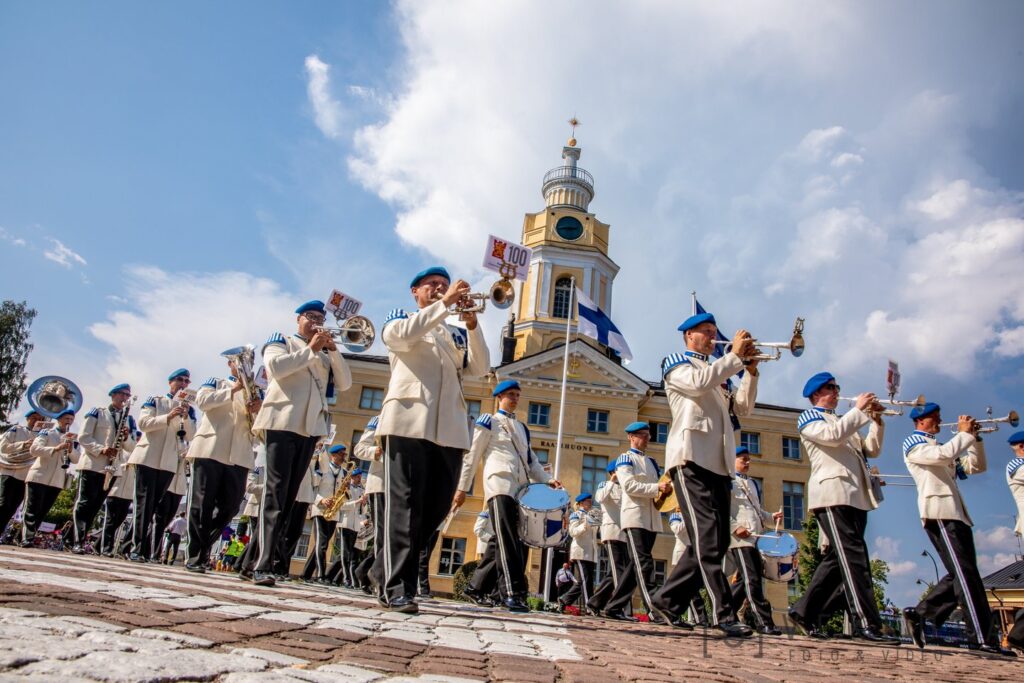
One of the strongest musical identities of Hamina comes from its military history. Hamina has been a fortress town and military center for centuries. The town is home to the Reserve Officer School. Military bands have long been part of local life, culminating in the internationally known Hamina Tattoo festival. The first held in 1990. Today it is one of the world’s notable military music events, bringing orchestras and marching bands from many countries to the city.
Military music remains woven into the cultural identity of Hamina through parades, concerts, brass ensembles, and ceremonial performances.
Industrial Workers’ Music Culture
Kotka’s rapid industrialization during the 19th and 20th centuries created a strong working-class culture based around sawmills, paper mills, and the harbor. Workers’ associations often organized choirs, brass bands, and community orchestras. Popular dance music, tango, and later rock became important parts of local social life. This industrial heritage helped create a vibrant grassroots music scene that continues today. Jazz came into Finland via the Port of Kotka.
Modern Festivals
Today, the region’s cultural calendar ranges from major festivals drawing hundreds of thousands of visitors to smaller, high-quality events that celebrate music, architecture, light art and local traditions. Altogether almost 200 different events take place during the summer months.
The Kotka-Hamina region is known not only for its maritime heritage and beautiful coastal landscapes but also for its vibrant festival scene. Throughout the summer, a wide variety of events attract visitors from across Finland and abroad, creating memorable experiences while supporting local businesses and communities.
Well Known International Events
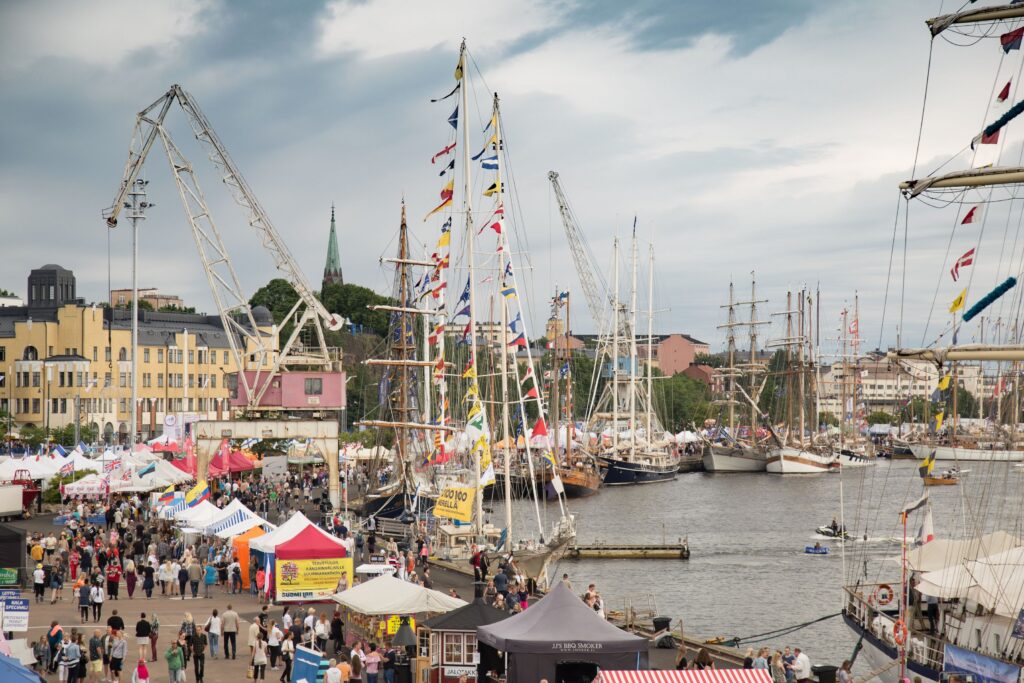
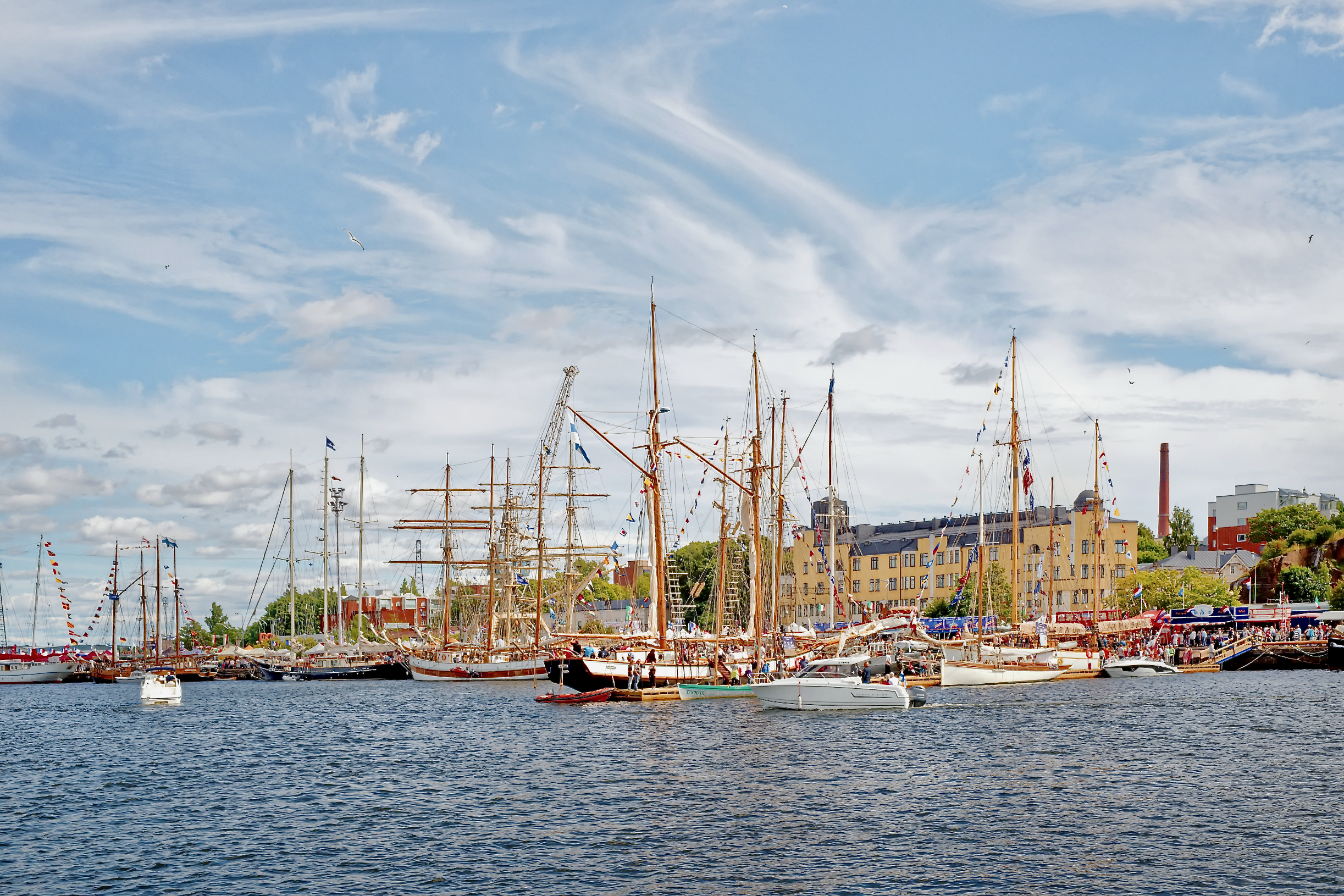
The region’s best-known event is Kotka Maritime Festival (Kotkan Meripäivät), one of Finland’s largest city festivals. Held annually in July, it attracts around 200,000 visitors with a diverse programme of concerts, maritime activities, family entertainment, and cultural events. The festival celebrates Kotka’s strong connection to the sea and has become an important part of the city’s identity.
Another flagship event is the Hamina Tattoo International Military Music Festival, organized every second year in the historic fortress town of Hamina. The festival attracts around 130,000 visitors to the town. Military bands and visitors from around the world perform at the festival and the event is one of Finland’s most distinctive cultural events. In addition to spectacular marching shows, visitors can enjoy concerts, performances, and a festive atmosphere throughout the town.
One Weekend, Five Festivals, Thousands of Visitors – More Than Music
The region also offers a rich selection of smaller festivals catering to different interests and audiences. For example, during one weekend 10th -12th of July:
- In Kotka, Dark River Festival ,held in the forest, has gained recognition as one of Finland’s leading boutique metal festivals, while The Day Festival attracts younger audiences with top contemporary Finnish artists.
- Laituri Reggae Party brings Caribbean rhythms to the city’s waterfront, creating a relaxed summer atmosphere.
- Hauhia Country (Hauhia Kantri) offers a unique country music experience at the historic in the middle of the country side. Often described as one of Finland’s most relaxed country festivals, the event combines live music, local culture, traditional countryside activities, and a welcoming community spirit.
- Just off the coast on the idyllic island of Kaunissaari, BlueBerry Day offers a unique blend of live music, archipelago scenery, and a laid-back island experience.
Local Importance
Beyond entertainment, these festivals play an important role in regional development. They attract visitors, support local accommodation, restaurants, and service businesses, create opportunities for volunteers, and strengthen community spirit. At the same time, they enhance the visibility of the Kotka-Hamina region as a lively and attractive destination on Finland’s east coast.
From large international events such as Kotka Maritime Festival and Hamina Tattoo to intimate music and cultural festivals, the Kotka-Hamina region offers experiences that celebrate its history, creativity, and community spirit throughout the year.
Cruise Finland has a very good networking program going on with cruise lines and we are very confident for the future. Find us on LinkedIn: here.
Share the article on social media: